Every form carries information. In nature, you can tell from a body what it is built for. With people, it is no different. Human morphology character analysis uses proportions and contours to describe how a person thinks, feels and acts, because form and function belong together.
What does “form follows function” mean?
Shape comes from purpose. A wing is lightly built because it has to carry weight. A fin is flat because it pushes against water. Nobody needs to see an animal move to know whether it swims, runs or flies.
The same is true on a smaller scale. A hand that has to grip and hold is built differently from one meant to touch and feel. A body that needs strength develops different structures from one that has to keep going for hours.
The task shapes the tool. That isn’t a metaphor but a principle of construction, in biology as much as in engineering.
And in people?
With people, something else comes into play: each of us is born with a natural disposition and keeps developing it throughout life. What you see in a person is neither chance nor a snapshot. It is grown structure, shaped by what they were born with and by what they have needed, experienced and developed over the years.
That is why human morphology speaks not of impressions but of form: proportions, contours and how the parts of the head, face and body relate to one another. Seen this way, a person is information in form.
What is natural disposition, and what is shaped by life?
Both, and both are visible. Everyone is born with a natural disposition: it lies in the genes and doesn’t change. How much of it comes to the fore depends on environment, upbringing, experience and time.
Epigenetics describes this process: over the course of a lifetime, genes are switched on and off depending on what is needed. Someone who spends years getting stuck in develops different structures from someone who spends years observing. Not because they set out to, but because use creates form.
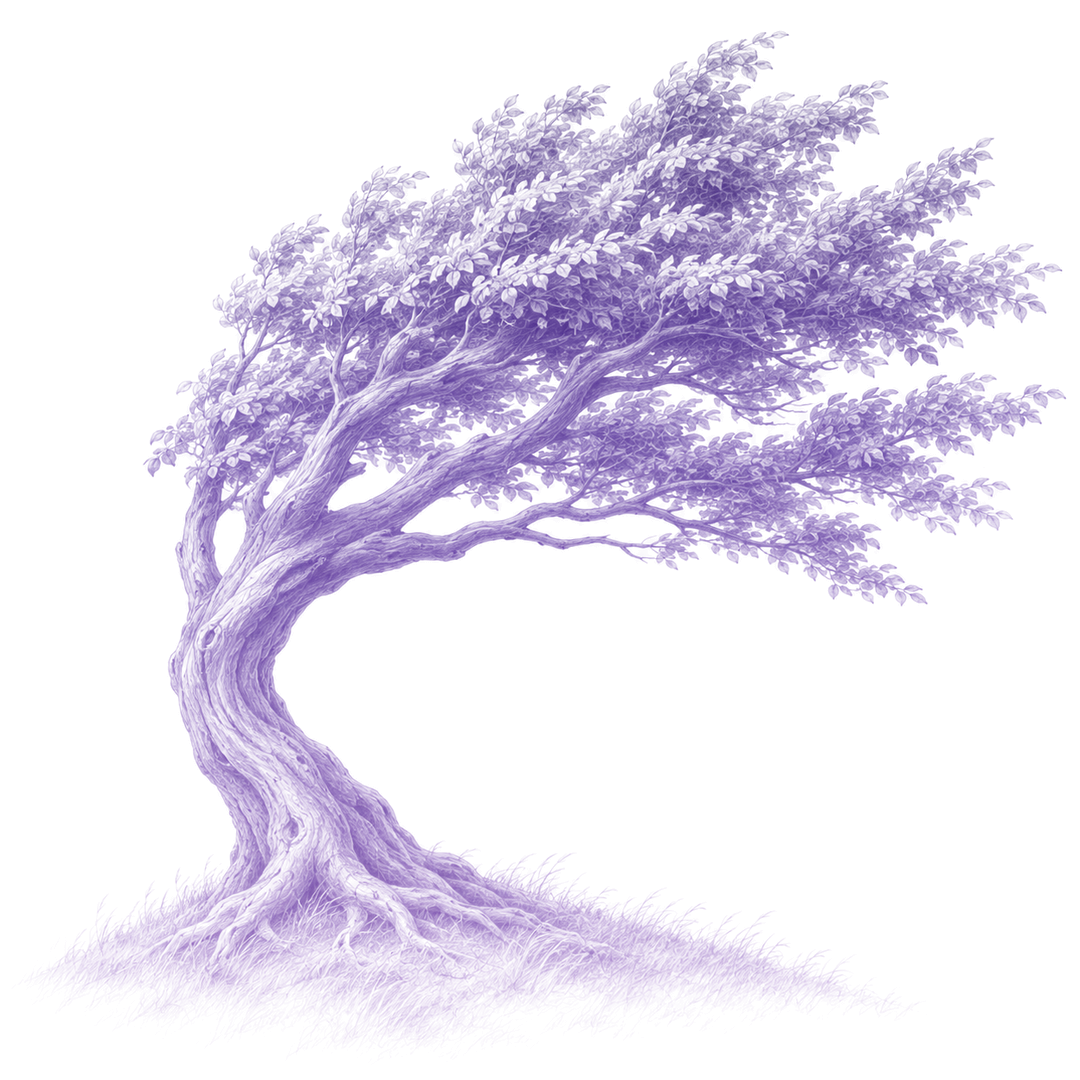
That is why form isn’t a fixed sentence. It shows what is innate, and how it has been lived.
Why does a face change while the underlying framework doesn’t?
Because two things are true at once. The underlying framework is set early and stays: the main relationships and the proportions. Everything on top of it keeps changing, through habits, strain, stages of life and the passing years.
That is why the same person can discover new things in an analysis at different stages of life without their natural disposition having changed. What becomes visible isn’t new. It has simply become clearer.
Why a single feature proves nothing
A feature is like a letter. On its own it doesn’t make a word, let alone a story. The same feature can mean one thing in one person and something else in another, depending on what surrounds it.
So in human morphology, a trait is never inferred from a single feature. Only when several features point in the same direction does a statement emerge. And only the interplay of all of them gives you the picture of a person.
That is why an analysis is a craft and not a shortcut. It takes training, experience and a practised eye.
From practice
A man in his mid-forties had worked in sales for twelve years and was seen as successful. Even so, he felt drained at the end of every working day. His analysis described someone who needs depth where his job demanded speed, and quiet where his diary was packed with meetings and calls.
He didn’t change careers. He restructured his day instead: fewer appointments, longer blocks of time, two fixed hours without the phone. Six months later he said he finally had his evenings back.
What this means for you
You don’t have to take it on faith that form tells a story. You see it every day. In hands, in posture, in people who feel familiar after three sentences. Human morphology turns this way of looking into a system: feature by feature, descriptive and free of judgement.