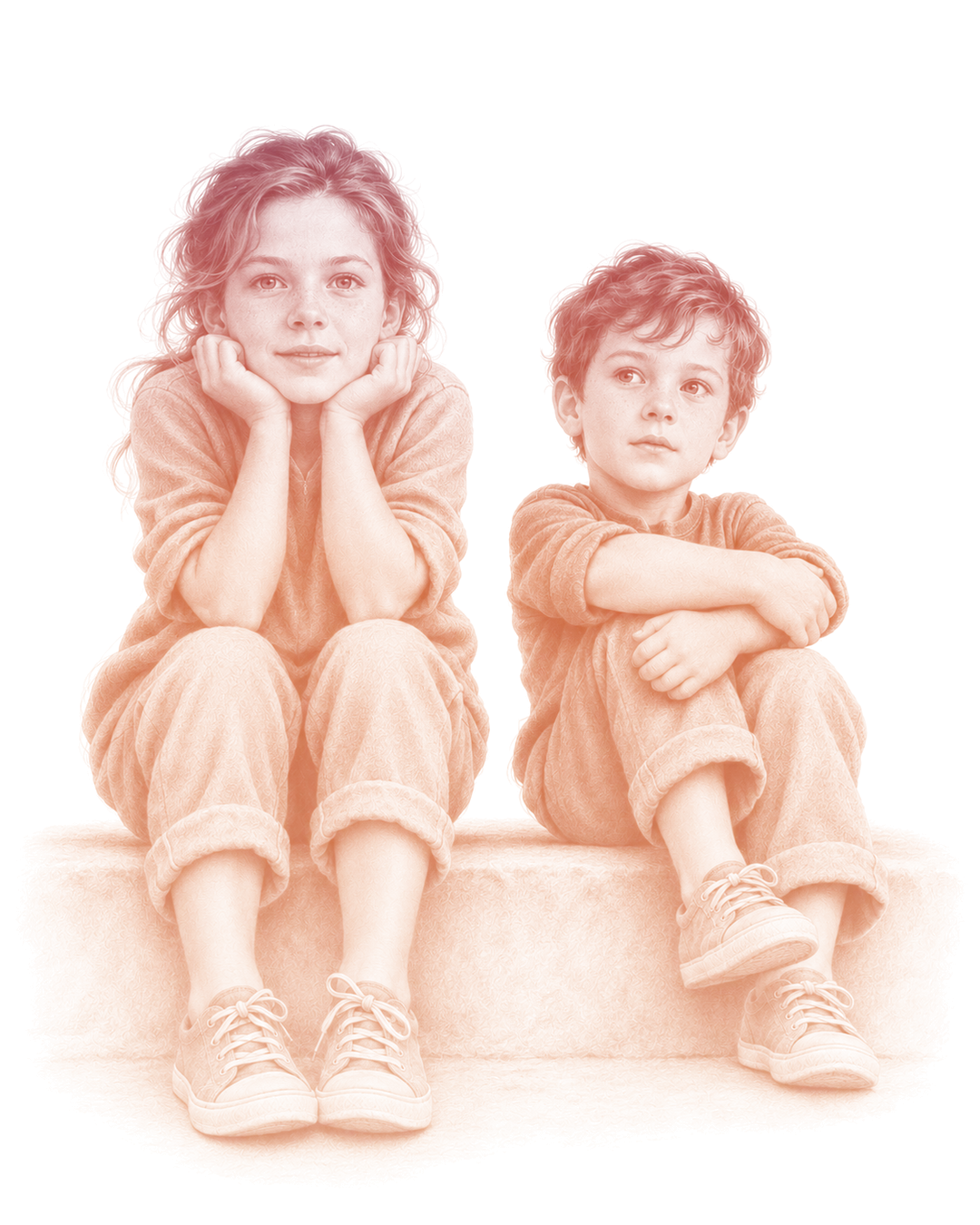
Same parents, different children
Why siblings turn out so differently despite sharing the same home, and why the same words can trigger opposite reactions in two children.
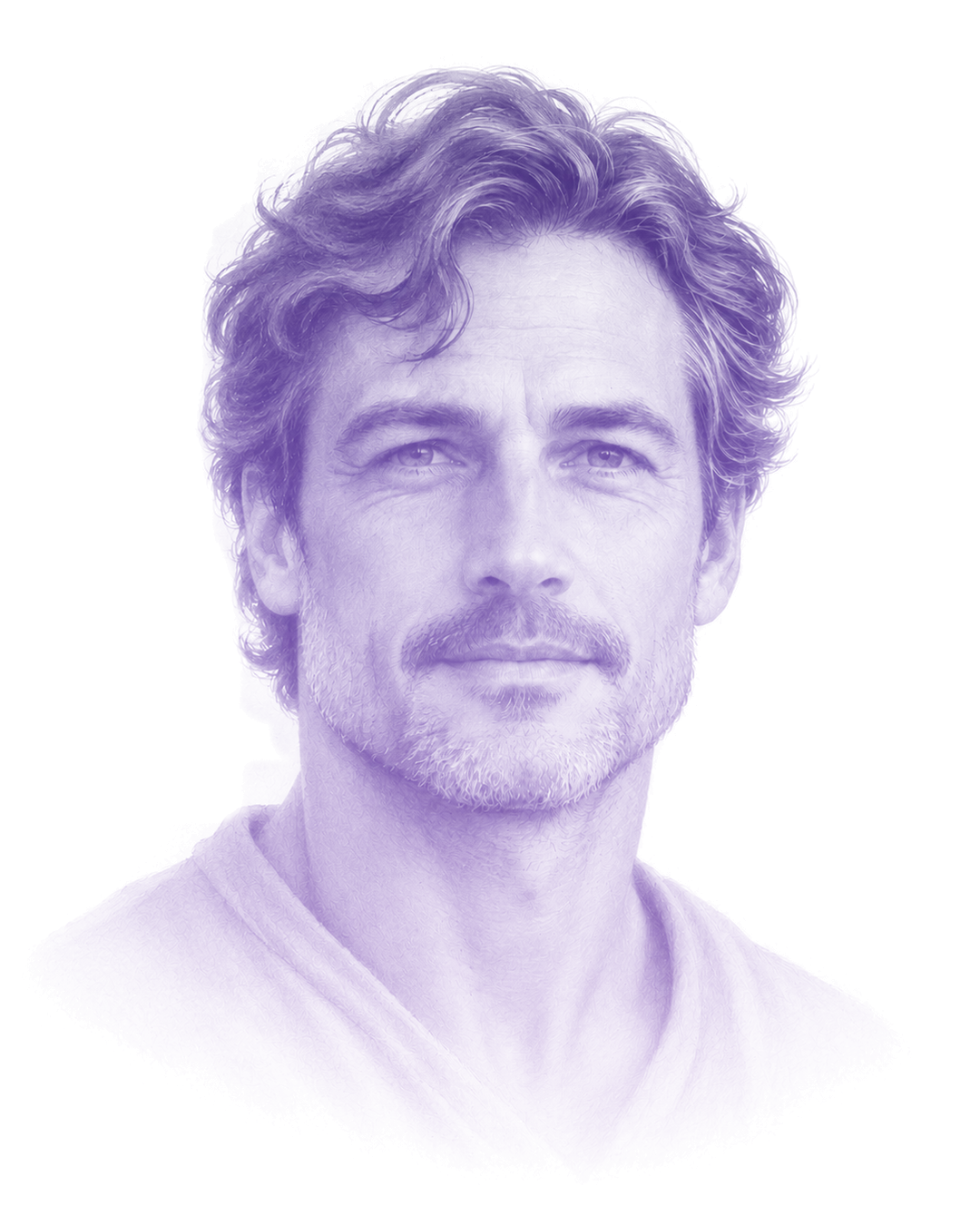
Chinese face reading and human morphology: two paths, one subject
Mian Xiang, Siang Mien and human morphology look at the same face. What sets them apart: tradition and symbolism versus form and natural disposition.
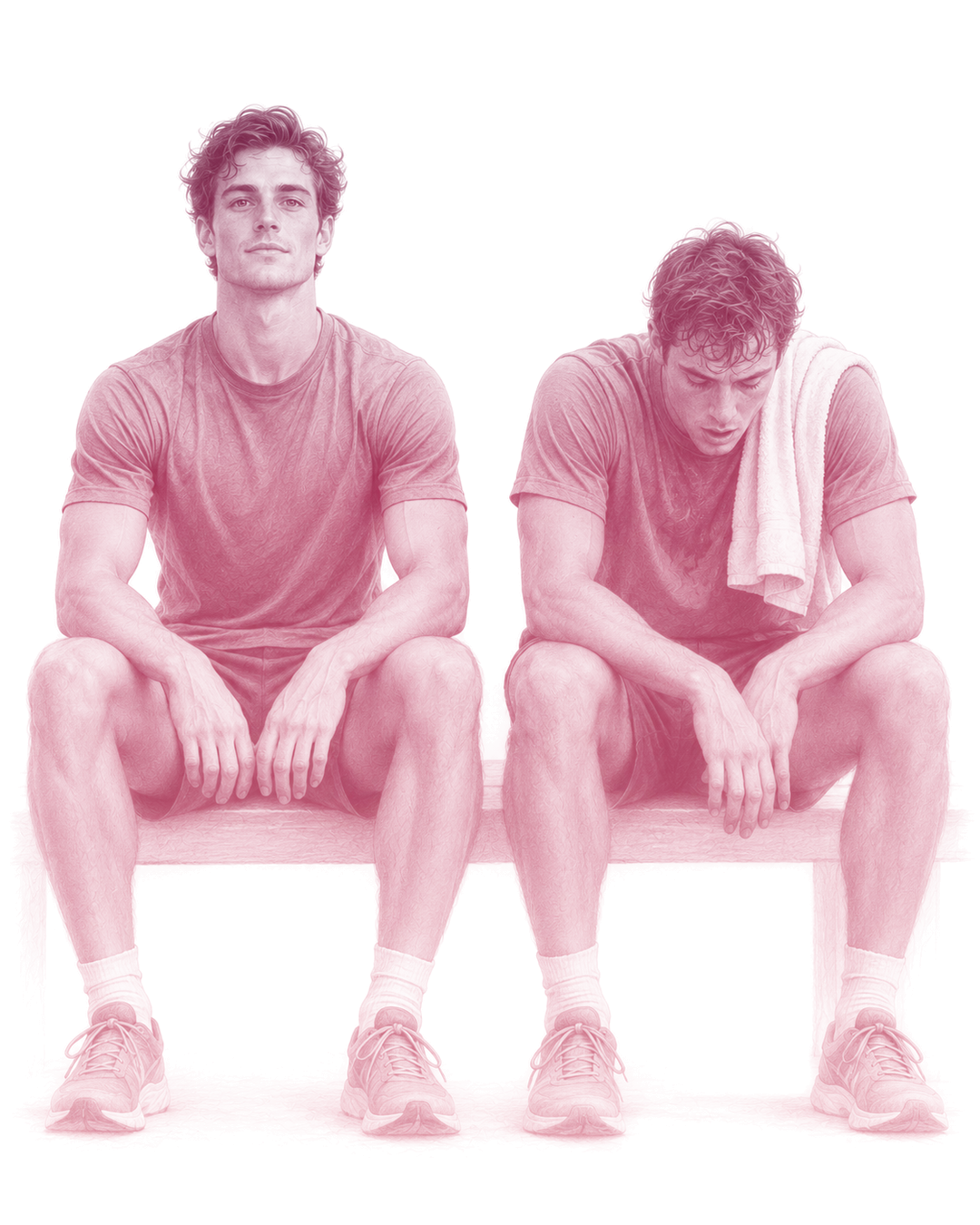
Talent or discipline? What really helps athletes progress
Talent without training goes to waste, and training against your natural disposition costs years. Where training has the most impact, and why not everyone needs the same thing.

The strengths and weaknesses question in job interviews is outdated
“What are your weaknesses?” only gets rehearsed answers. Why every strength is the same weakness, and which question tells you more in an interview.
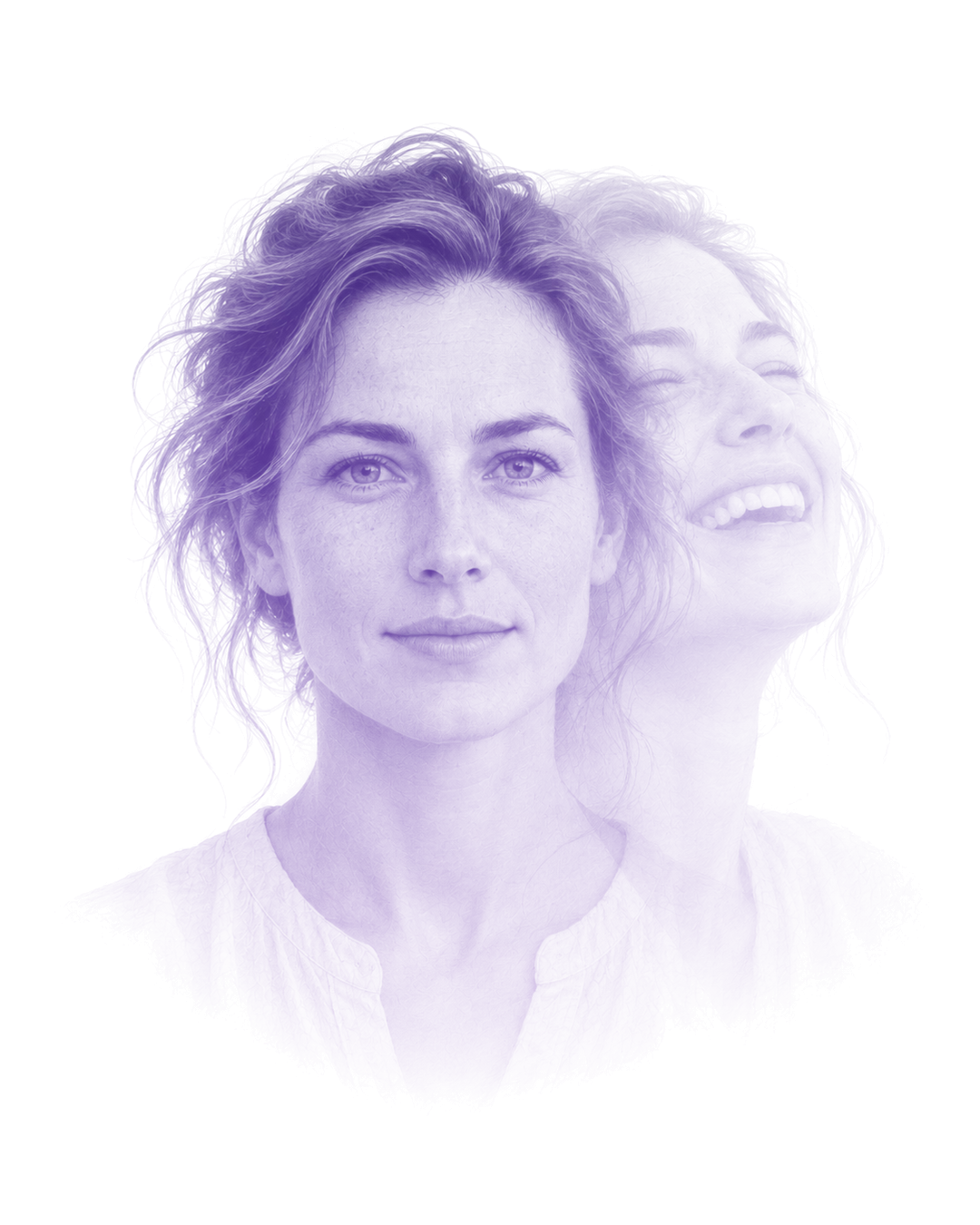
Facial expression is the weather, form is the climate
Facial expressions show the moment, form shows the story. What micro-expressions and body language can do, and where human morphology analysis comes in.
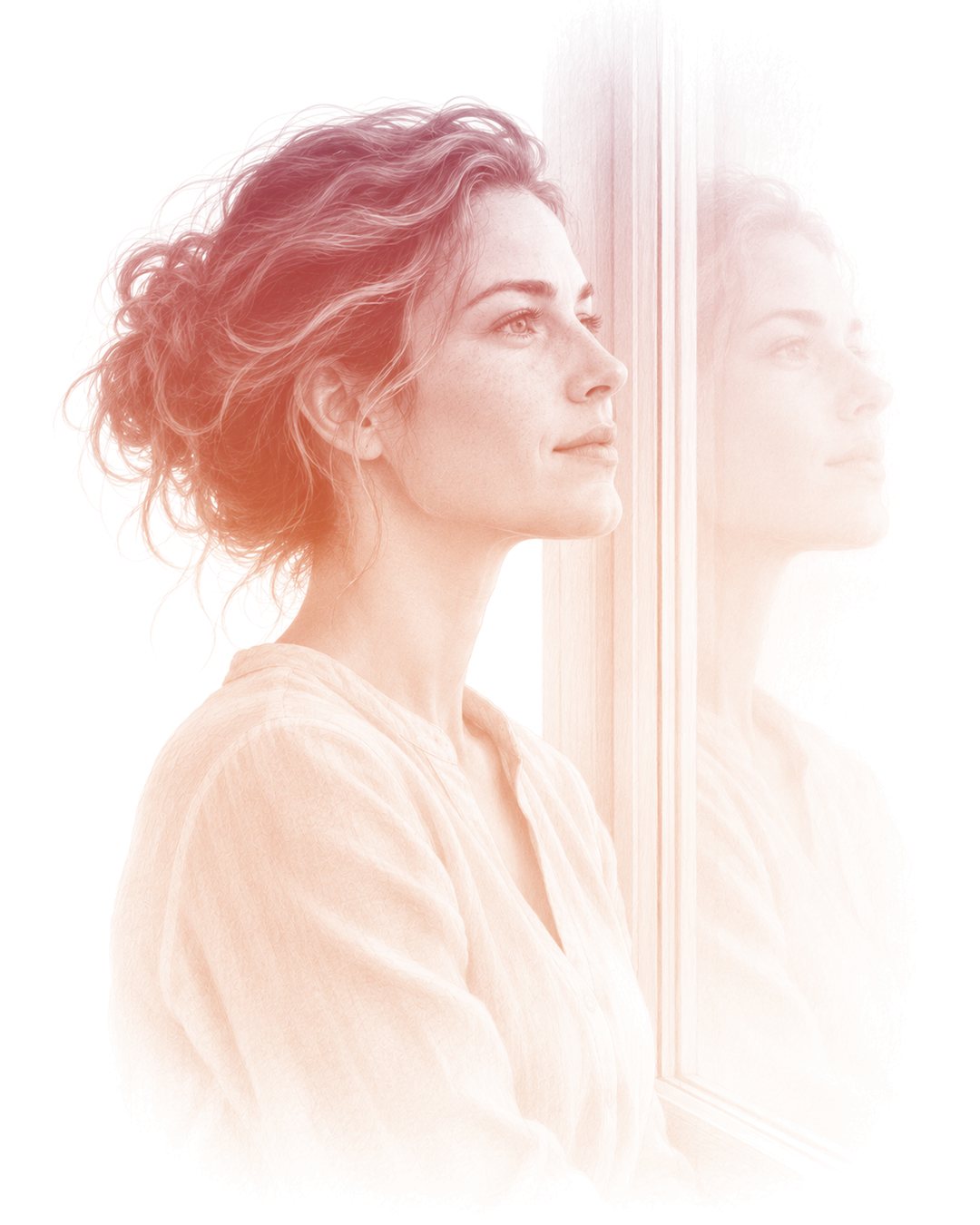
Why do situations keep repeating in my life?
The same pattern again and again? Some patterns are innate, others are learned. The difference decides whether you change them or live with them better.

Character analysis instead of a personality test: why we don’t need a questionnaire
Three tests, three different profiles: why questionnaires keep shifting, and what a human morphology character analysis describes instead.
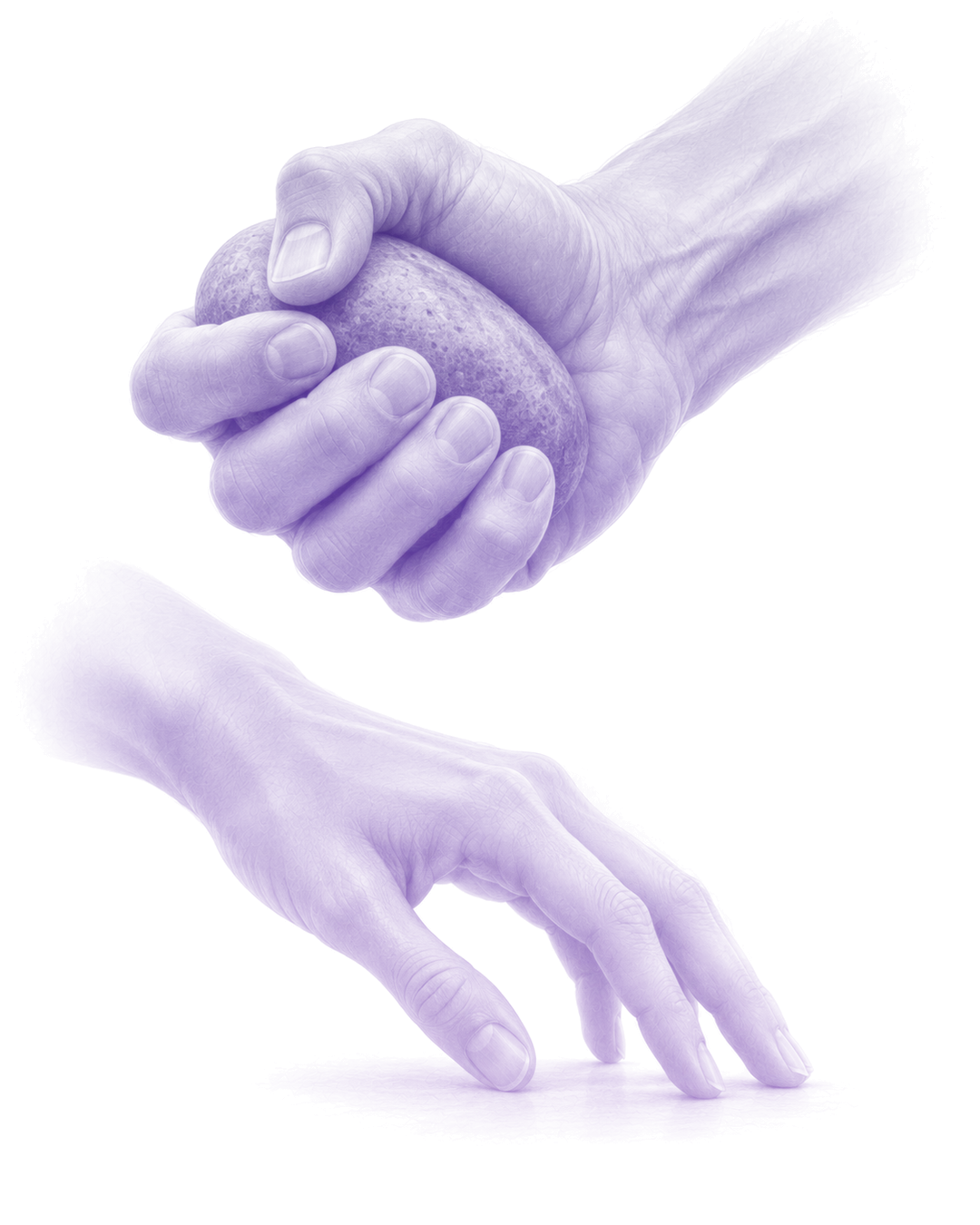
Form follows function: what your body says about your life
Why a person’s form says something about them: form and function belong together, and whatever has grown over the years remains visible.
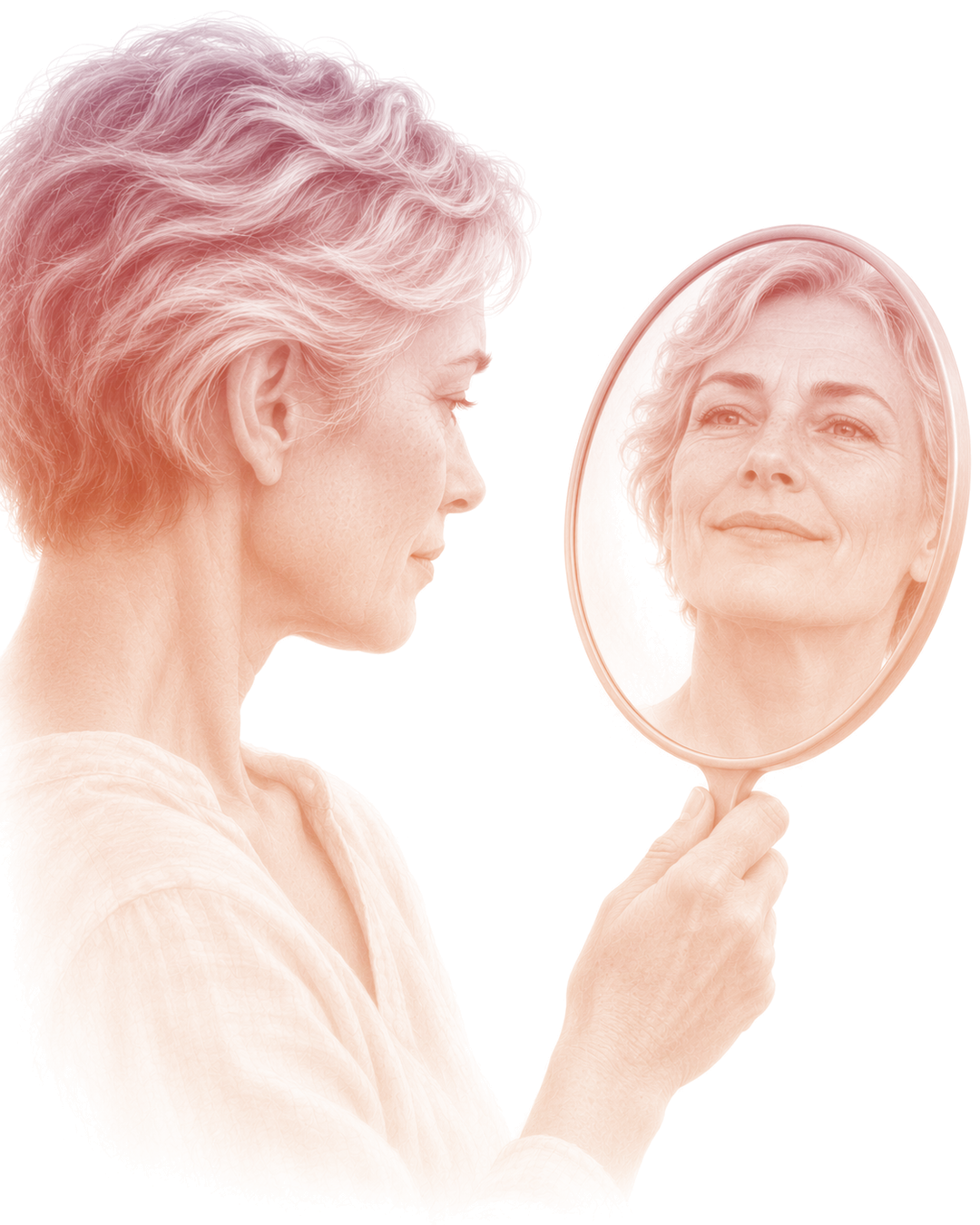
Self-image and how others see you: why you often see yourself differently from who you are
How you see yourself and how others see you are often far apart. Why that happens, and what a character analysis can bring to light.
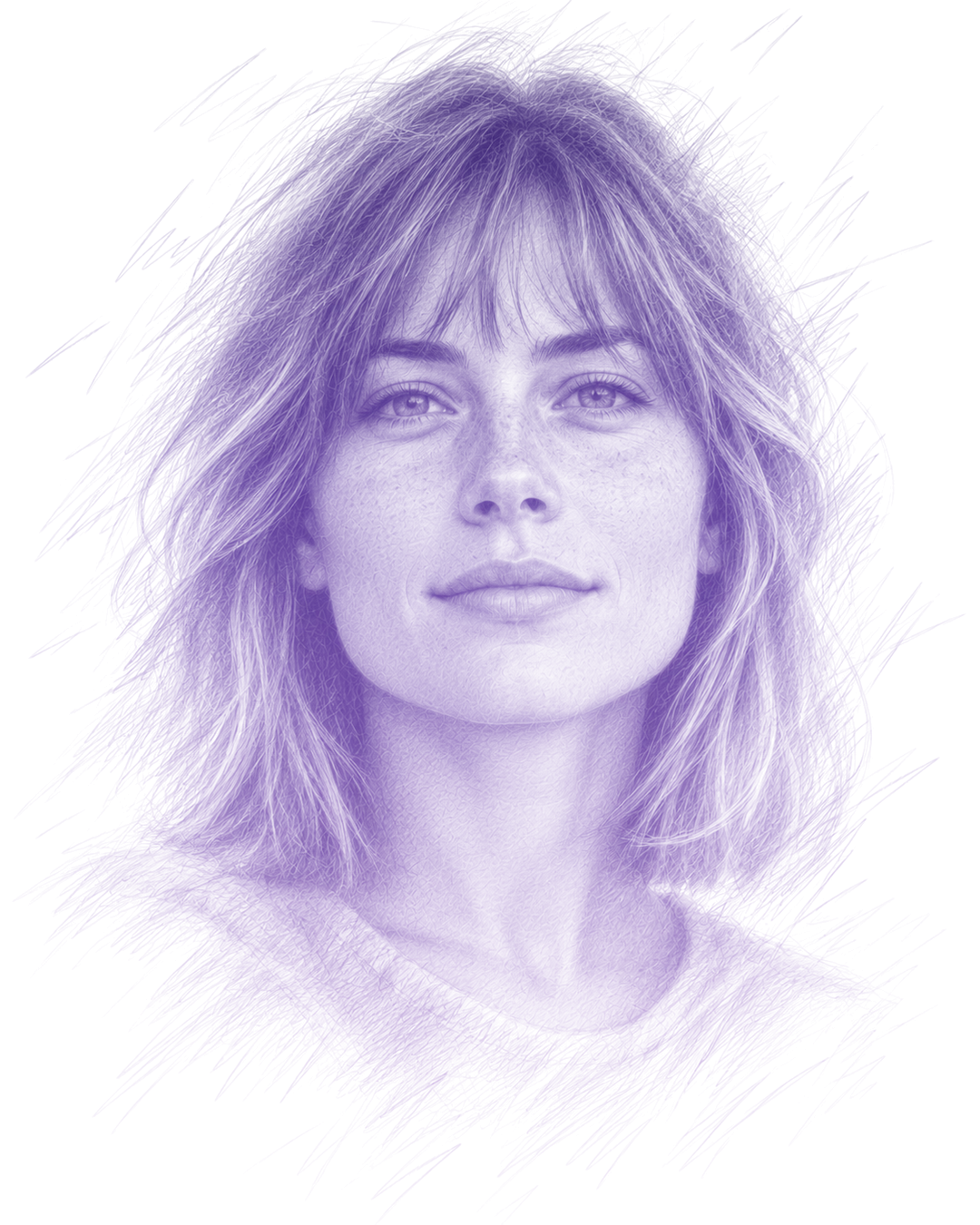
Human morphology and face reading: what is the difference?
Face reading and human morphology analysis both look closely at the face. What sets them apart, and why a single feature is never enough.

Personality or character: what is the difference?
Persona means mask. Why your personality is the role you play, and why recurring patterns only reveal themselves in your character.